

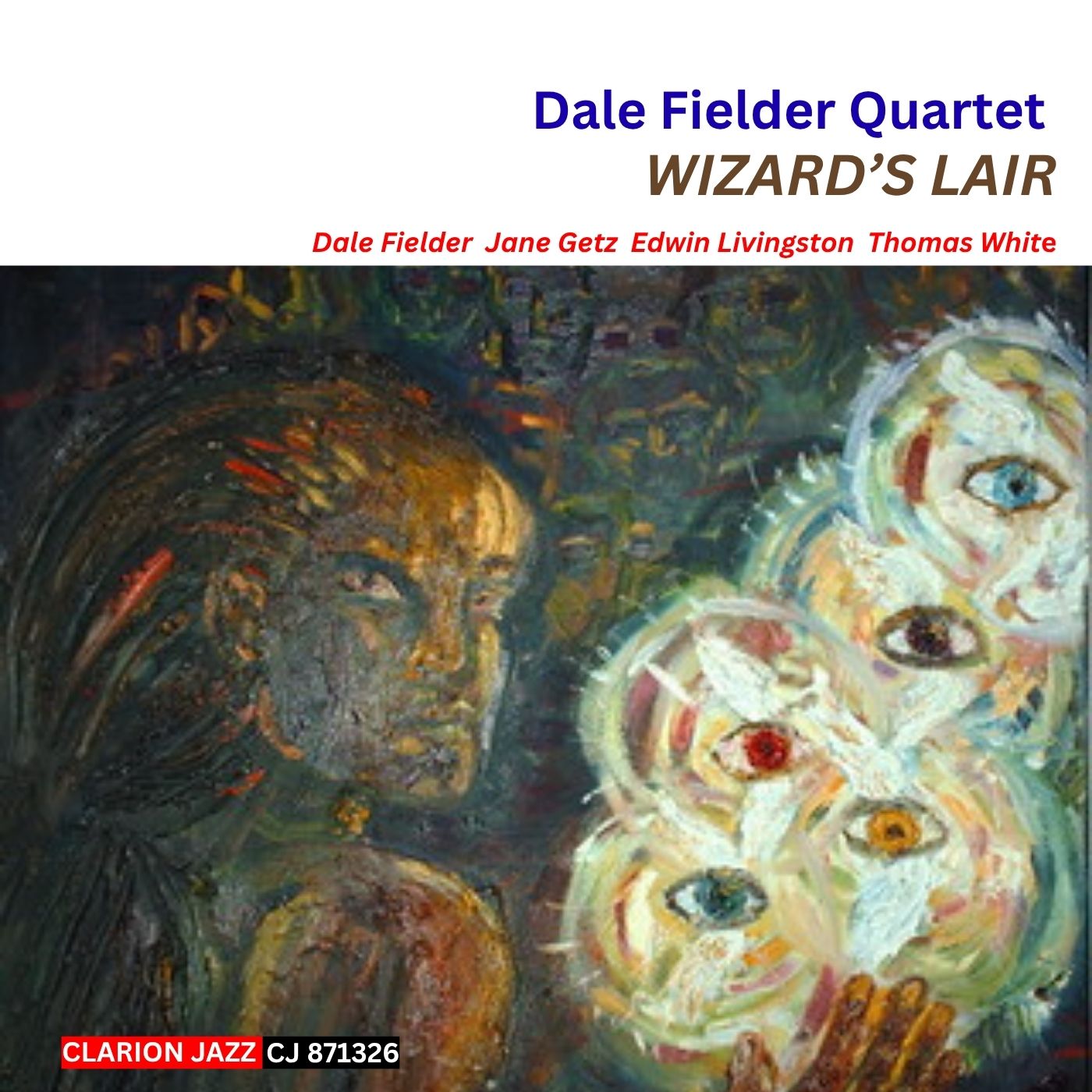
By Scott Yanow
Dale Fielder is a veteran saxophonist who is quite skilled whether playing tenor, alto, soprano, or baritone, having developed his own voice on each instrument. He spent eight years living and playing in New York, moved to Southern California in 1988, and by the mid-1990s was leading a quartet comprised of pianist Jane Getz, bassist Bill Markus, and drummer Thomas White. The group lasted for 30 years and among their many recordings for Fielder’s Clarion Jazz label were tributes to Wayne Shorter and Pepper Adams plus sets of his originals.
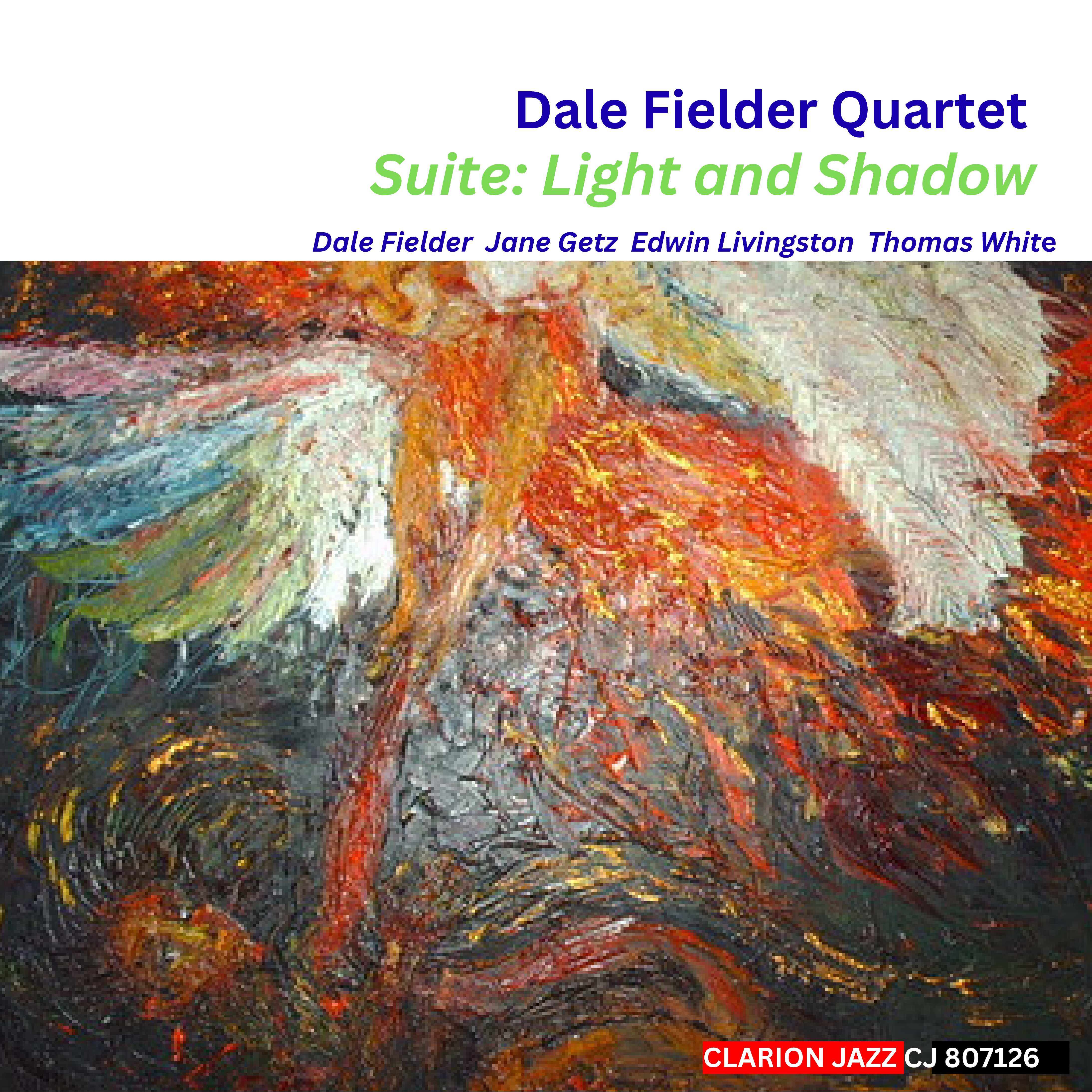
“Suite: Light and Shadow“
Clarion Jazz CL871326
The horrendous Altadena wildfire of January 2025 cost Dale Fielder his home and many possessions. He has since relocated to North Texas and resumed his playing career. Among the precious items that he thought were permanently lost were the recordings of two sets made by his quartet in January 2008 at Lenoir-Rhyne University in Hickory, North Carolina. The performances were particularly unique because the second set was comprised of his commissioned work “Suite: Light and Shadow,” which he considered his favorite of his extended works and had hoped to eventually release. By accident, Fielder discovered that he had posted the title cut of the suite on an old social media website years ago so that part survived. He did a little investigating and, to his amazement (and relief), he found out that his friend Joseph Thomas Dorsch on the East Coast, who had helped him gain the commission, had recorded the suite and the equally powerful first set, and they were both in excellent shape.
All of the music from that night is being released on two CDs. “Wizard’s Lair” has the first set while “Suite: Light and Shadow,” the second set, comprises the second CD. At the time, bassist Bill Markus was near the end of a two-year leave of absence from the quartet. The equally skilled Edwin Livingston was his replacement during that period and is on these releases (his last performances with the group before Markus’ return) along with Fielder, Getz, and White.
“Wizard’s Lair” consists of six extended pieces from the quartet’s repertoire of the era. They clock in between 8:07 and 12:04 with all but one performance being over nine minutes long. The night begins with the medium-tempo modal title cut, which is driving and fiery from the start and (as with many of these selections) features tenor, piano and bass solos. Fielder on alto displays plenty of energy during Kenny Werner’s “Compensation,” creating a series of inventive ideas, and he shows plenty of power on baritone during Pepper Adams’ “Bossallegro.” “Cyclic Episode,” a tribute to Sam Rivers (it debuted on Rivers’ 1964 album Fuschia Swing Song, has some particularly passionate tenor playing, with each of the musicians getting to have their say. Cole Porter’s “Ev’ry Time We Say Goodbye” has a warm reading of the melody on soprano by Fielder, who returns after the piano solo with an equally rewarding statement. The high-powered Fielder original “Bright Angel” concludes both the CD and the opening set.
While “Wizard’s Lair” consists of pieces that the quartet often played, they only performed “Suite: Light And Shadow” during this one special night. Dale Fielder considers all of his music to be spiritual in nature, and that is certainly true of the opening movement, “The Unmanifested Oneness,” which has him preaching the theme on soprano. “The Violet Flame” (highlighted by the leader’s intense soloing on tenor) and the 6/4 jazz waltz “Night Sojourn” (which has a fine example of his soprano playing after an opening statement on tenor) could both stand alone from the suite as excellent individual pieces. Thomas White takes a fine three-minute improvisation on “Interlude – Drums,” “Shadow Play” is a solid hard bop tune with Fielder on alto and Getz creating a swinging bop-oriented solo, Livingston has an extended bowed spot on “Interlude – Bass,” and “Shadow Light,” which has another strong Fielder melody, finds the composer switching to soprano. Getz is showcased on “Interlude – Piano,” which leads to the heartfelt melody of the ballad “Shadow Dance.” The Suite concludes with “Theme From Light And Shadow,” an uptempo romp that has Fielder blowing up a storm on soprano and the rhythm section sounding particularly inspired.
All in all, this was a special night for the Dale Fielder Quartet, an occasion that has somewhat miraculously been preserved and is now being made available. Despite the passing of 18 years, the music (available from www.clarionjazz.bandcamp.com) still sounds fresh and lively.
-Scott Yanow, jazz journalist/historian

